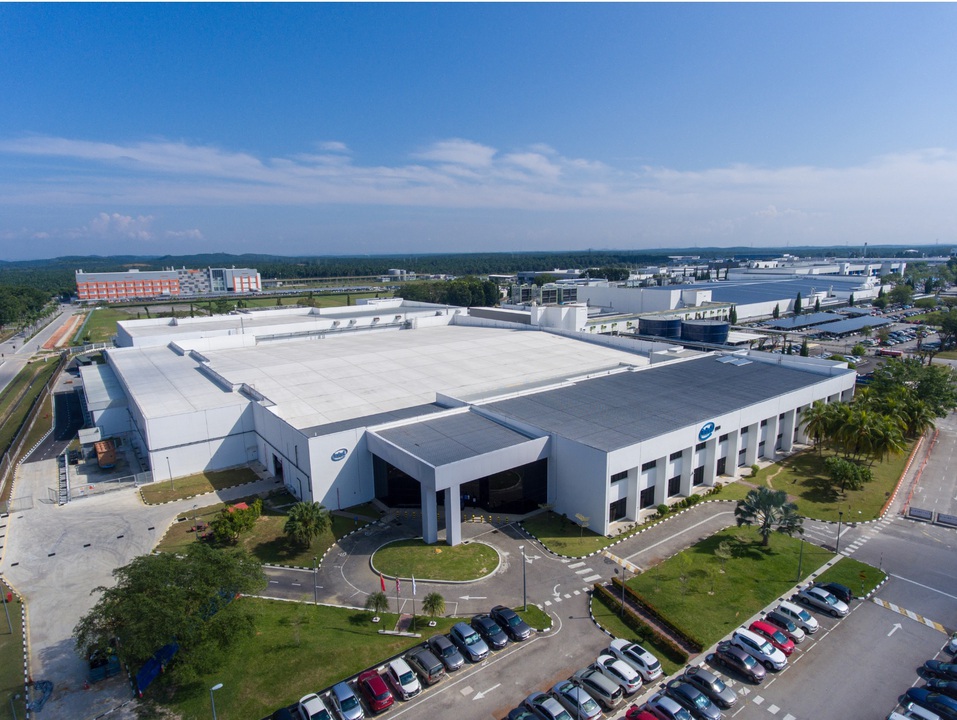
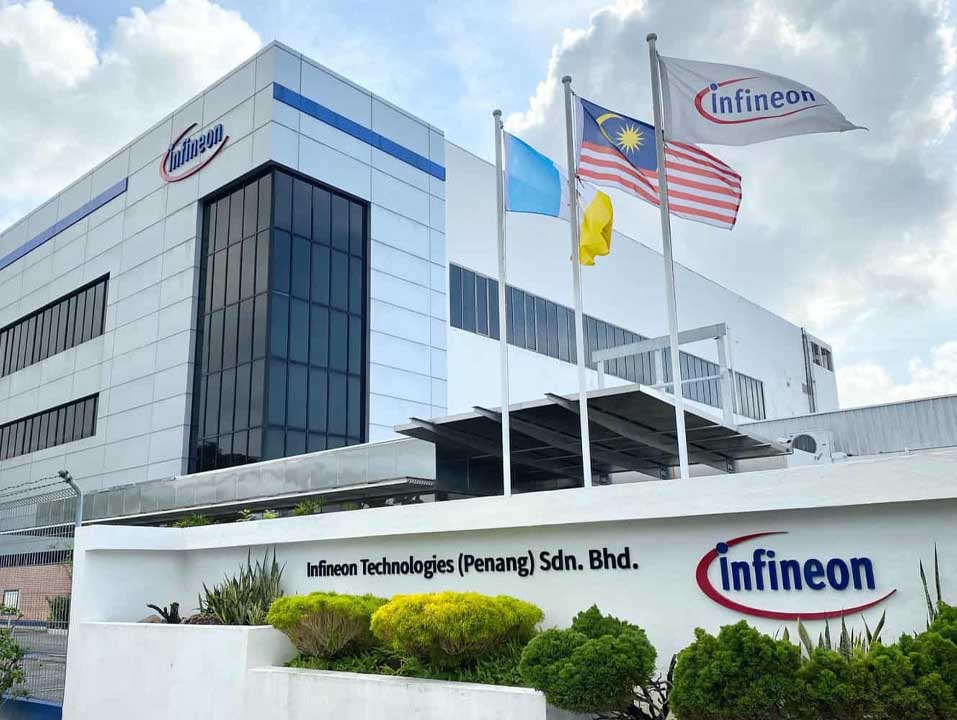
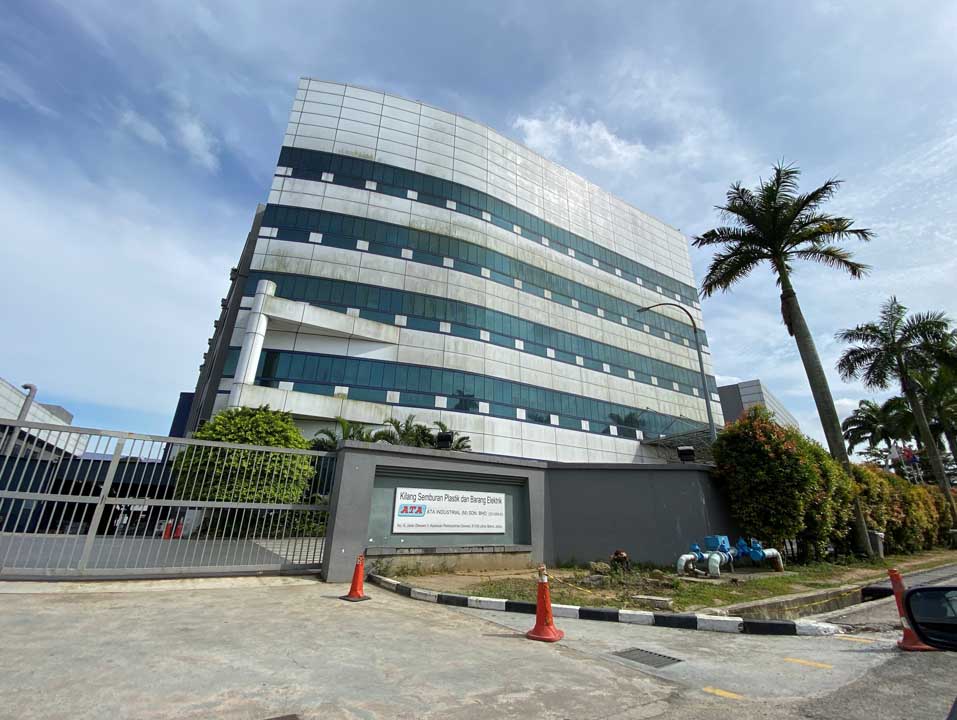
The current geopolitical is becoming increasingly complex, particularly between the United States and China. Today’s tensions are a tactical interplay of economic, technological, and strategic interests that intertwine global trade, and innovation. Malaysia's good relationships with both the United States and China present a unique geopolitical advantage, positioning it to navigate economic and technological tensions by serving as a neutral hub for investment and supply chain diversification. Malaysia can leverage this position by focusing on critical sectors like the digital economy, advanced manufacturing, and energy to build resilience and drive long-term growth amid increasing global uncertainty. By fostering its own industrial policies, such as empowering exporters and developing strategic sectors, Malaysia can mitigate its own economic reliance on single global powers and capitalize on the shifting global landscape. Relocating production facilities to Malaysia is a strategic move for many companies, driven by factors like Malaysia's strong manufacturing ecosystem, skilled workforce, and strategic location within Southeast Asia. Factors like a well-developed infrastructure, competitive labor costs, and government incentives further enhance Malaysia's appeal as a manufacturing hub. Below are some examples of Companies relocating to Malaysia:
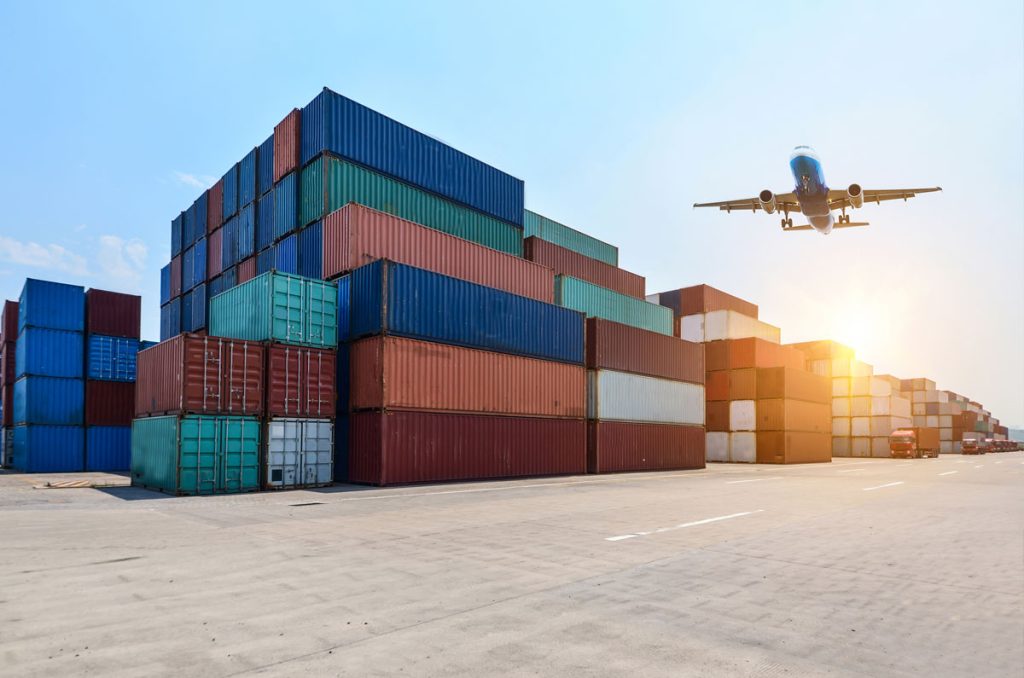
Malaysia serves as a prominent transshipment hub primarily through its major ports. These ports handle a large volume of global container traffic by leveraging their strategic location along the Strait of Malacca, one of the world's busiest shipping lanes.
The Port of Tanjung Pelepas (PTP) is a specialized transshipment port and serves as the largest transshipment hub for major global shipping lines
Port Klang, the national load center, has trade connections with over 120 countries and 500 ports, often as part of the Maritime Silk Road.
Both PTP and Port Klang have extensive Free Zones, which encourage the smooth flow of goods by simplifying customs processes and offering warehousing and logistics services for transshipment cargo.
Malaysia facilitates cross-trade shipping, where goods are moved between two foreign countries via a Malaysian port without entering the shipper's home country.
Malaysia as an Integral part of international banking network that support movement of goods with efficient payment flow. Major Malaysian banks, such as Maybank, CIMB, RHB, Public Bank, Hong Leong Bank, and international banks with local operations like HSBC, Citibank, Standard Chartered, OCBC, Bank of China etc , are integral parts of the international banking network that support the movement of goods with efficient payment flows.Global Presence and Networks: Banks like Maybank have an extensive international presence with branches and offices in 18 countries, which facilitates cross-border transactions and trade finance across the ASEAN region and beyond. Global banks like HSBC and Standard Chartered have been operating in Malaysia for over a century, offering robust global banking and market services for corporations and institutions involved in international trade.
Malaysia's advanced telecommunication network and strong industrial/technical base position it for international trade by enabling digital transformation in key sectors like manufacturing and services. The country's focus on Industry 4.0, supported by initiatives like the National Advanced Materials Technology Roadmap and policies to drive digitalization, strengthens its ability to compete internationally. This foundation allows for increased efficiency, innovation, and access to new markets through digital trade, as seen in the growth of high-value manufacturing and the potential for exporting technological solutions
Rapid technological growth: Malaysia is actively developing and implementing emerging technologies like 5G, AI, and IoT, which creates export opportunities for digital products and services.
Digital transformation: The government promotes digitalization across industries, including a focus on Industry 4.0, to enhance competitiveness and move towards higher value-added products.
Enabling trade efficiency: The telecommunication infrastructure facilitates trade by improving efficiency, reducing costs, and enabling data-driven decision-making for businesses.
Penang, often called the "Silicon Valley of the East," is a global hub for semiconductor assembly, testing, and manufacturing. The Klang Valley is also a significant area for electronics production. Major investors such as: Western Digital, Sony, Panasonic, and Infineon Technologies.
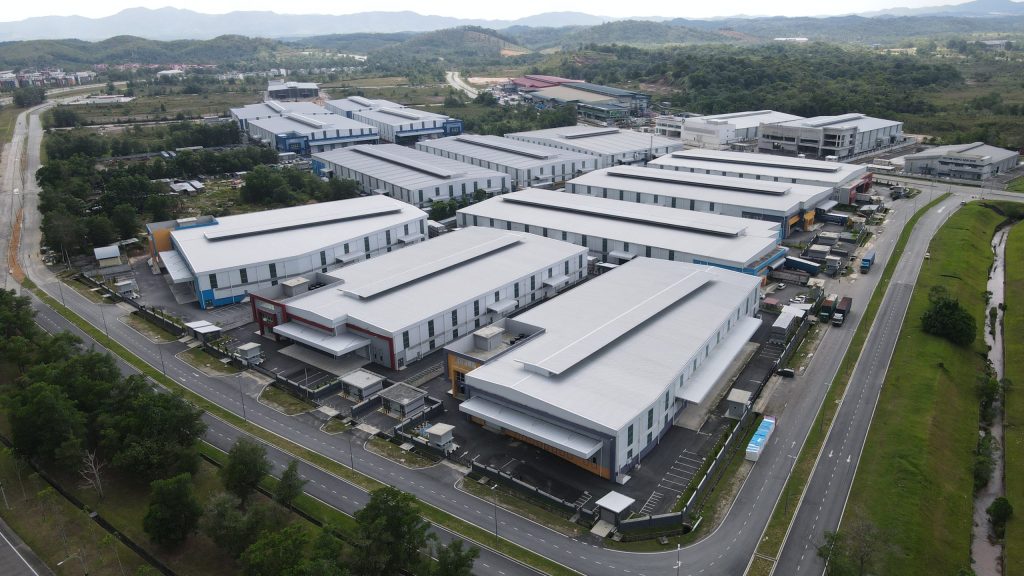
Malaysia serves as an ASEAN production base for both domestic and international brands. The Automotive High-Tech Valley (AHTV) in Tanjong Malim and HICOM Pegoh Industrial Park in Malacca are major hubs, with a growing focus on electric vehicles (EVs). Major investors are: Proton (under Geely Group) and Perodua (under Toyota Group) are the major car manufacturers. Other companies with assembly facilities include Honda, Nissan, BMW, Mercedes-Benz, Volvo, Chery, and BYD.
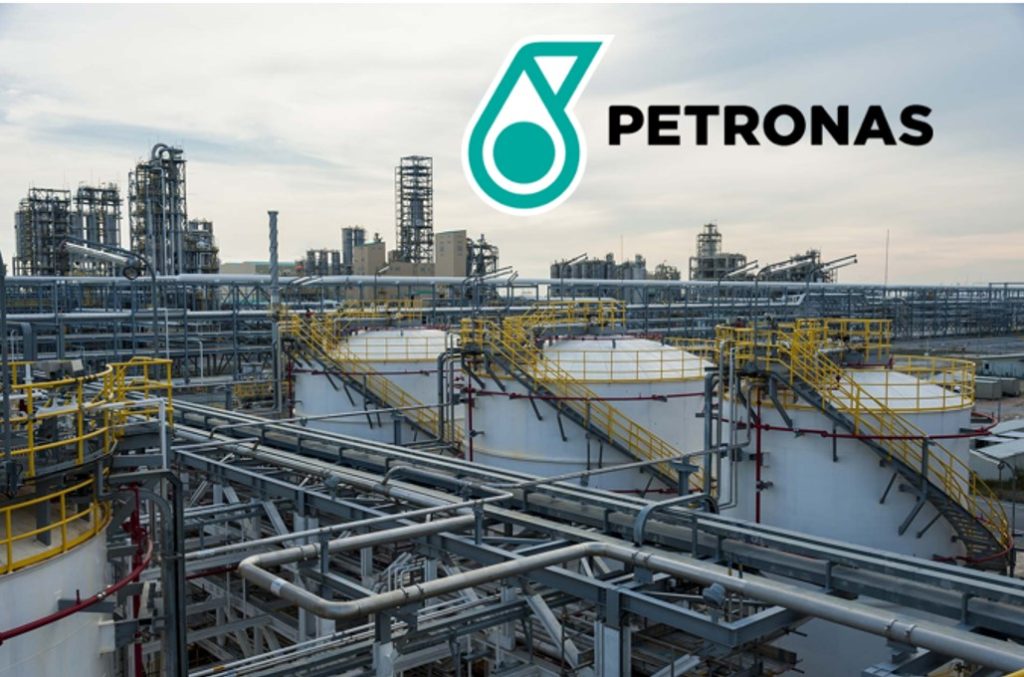
This sector is a key component of national exports, with production facilities located in various industrial zones. Major investors are: Petronas Chemicals Group, BASF, Lynas (on rare earth).
Malaysia produces specialized equipment for various industries, including food and beverage processing, and also has capabilities in fabrication for the oil and gas industry.
The country is the largest medical device industry hub in the ASEAN region, manufacturing products ranging from medical gloves to advanced electromedical equipment.
✔Established business and government network
✔Clean legal structure for efficient business operations
Extensive network of professional and reputable director and local partners
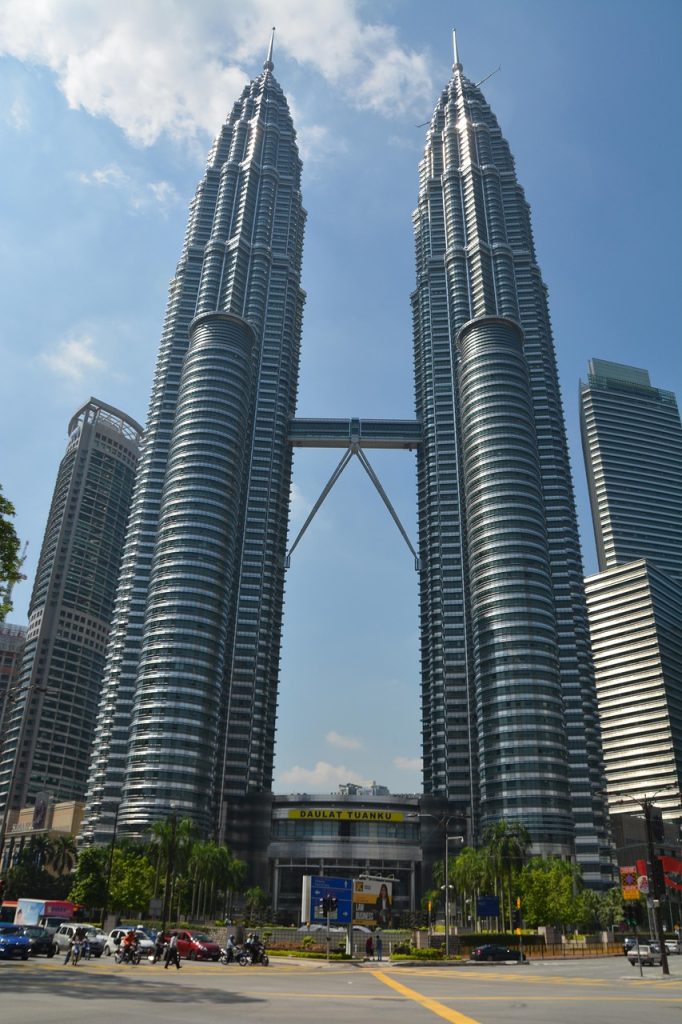
✔Operational bank account with both international and local banks
✔Ability and proven track record of obtaining necessary permits or license to expand business scope